Label Magazine
-
1997-2007
-
Label
AT THE ROOTS OF LOVE
An editorial venture rooted in free-spirited contemporaneity, growing from a university experiment into a style magazine distributed in 21 countries. The project that marked the very beginning of the studio’s story.
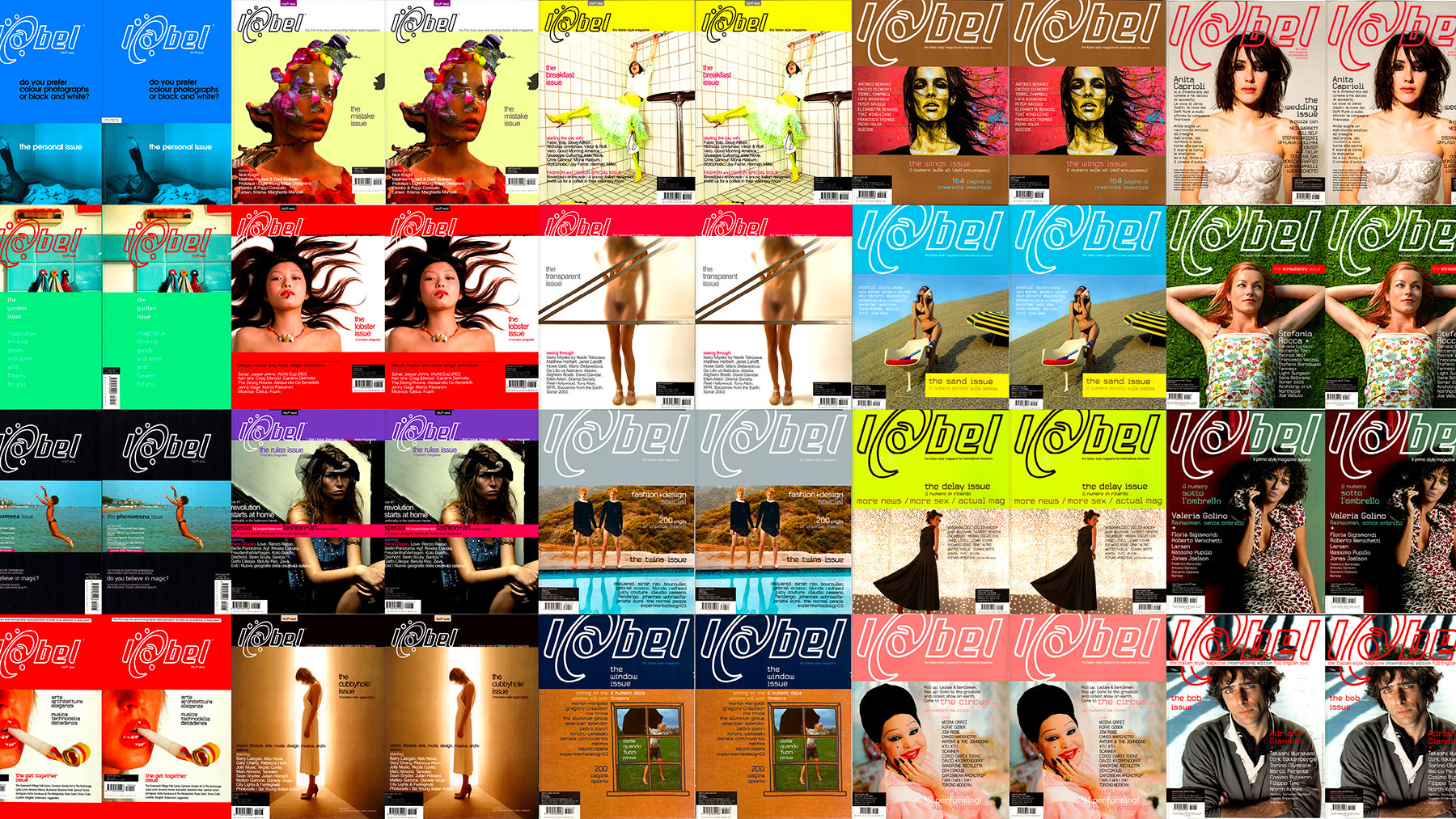
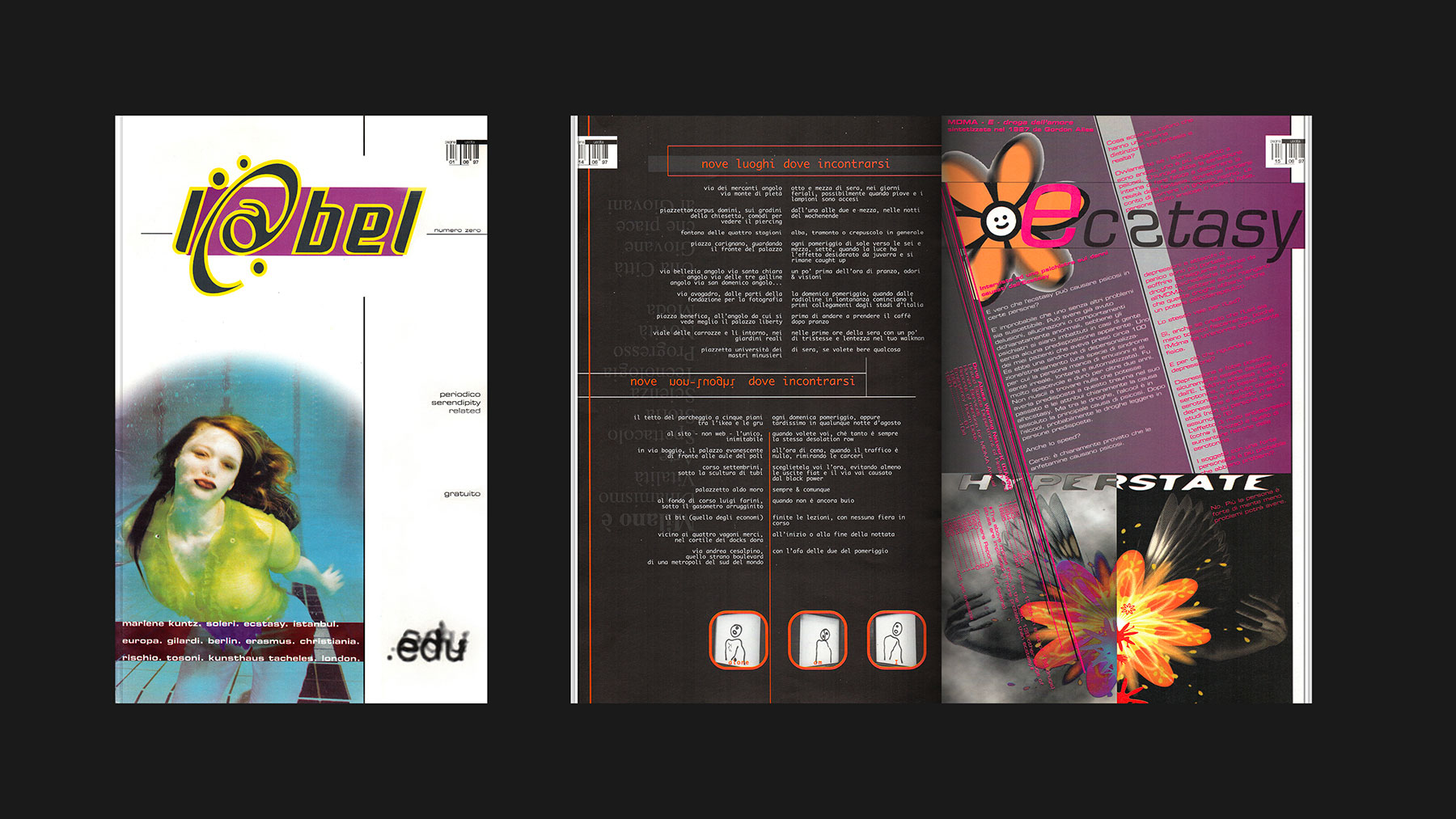
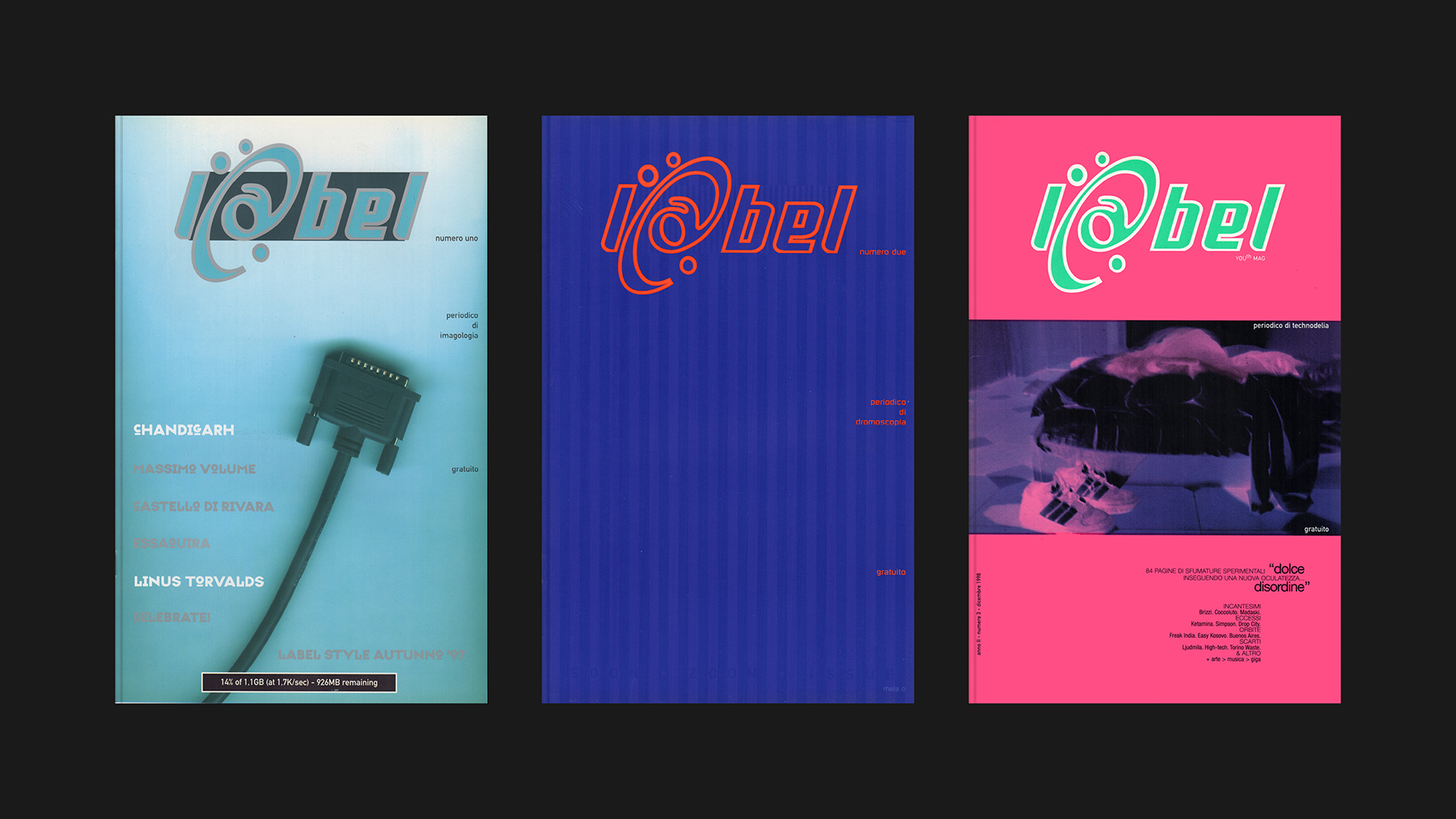
Before Bellissimo, there was Label. In 1997, a group of students launched a contemporary culture magazine that blended —and blurred— emerging themes and lifestyle trends: art architecture music design consumer culture movies… The following summer, part of that same group decided to start a communication studio —Bellissimo— which, from then until 2007, worked alongside the Label editorial team on art direction and editorial design.
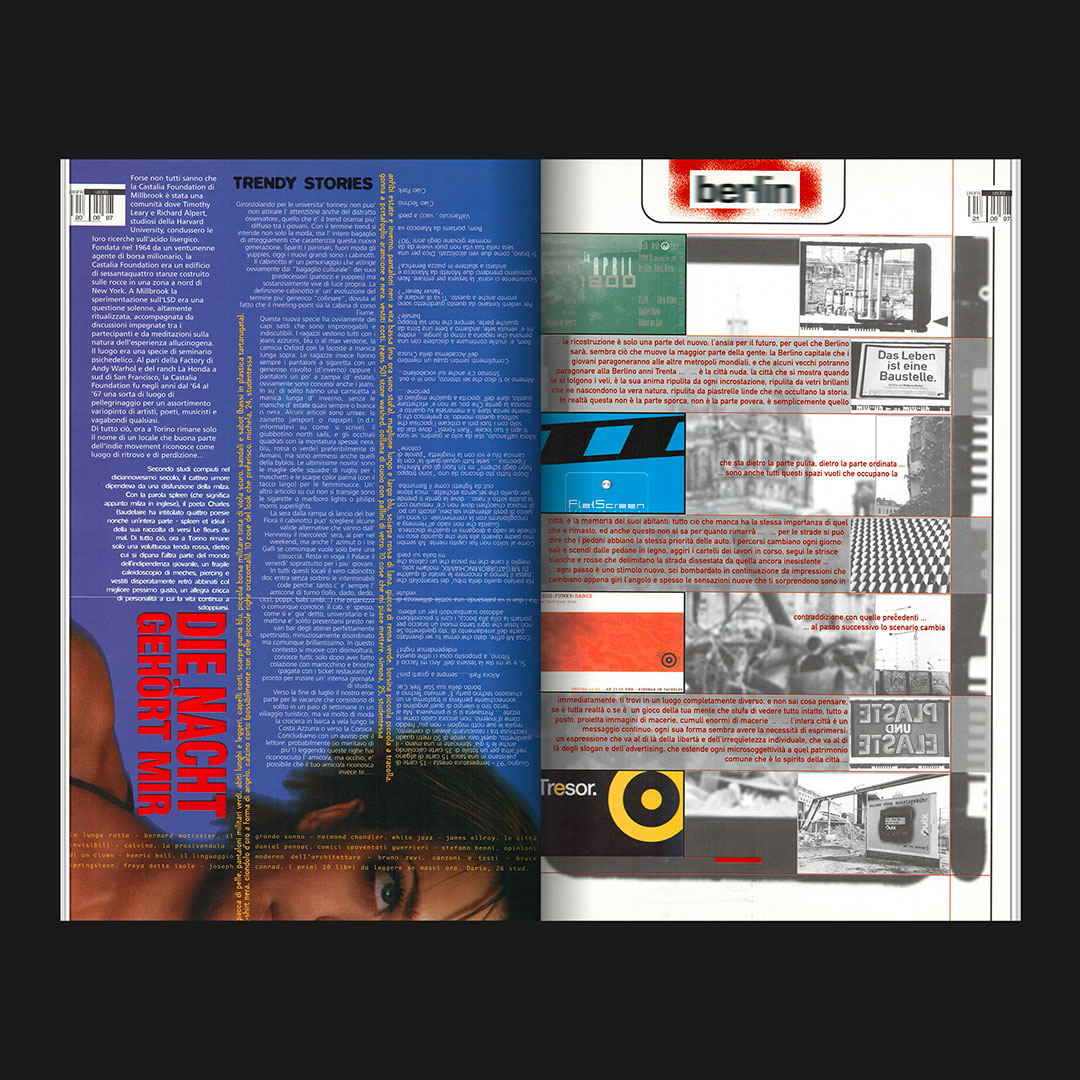
In the early years, Label and Bellissimo followed parallel paths with countless points of intersection: the evolution of the magazine was the evolution of the studio, and vice versa. The bilingual quarterly’s double-page spreads became an ideal lab for developing a forward-looking visual language, built on imaginative photo shoots and original graphic solutions — the dawn of the desktop publishing era, when layout software opened up creative possibilities that had been unfeasible until then.
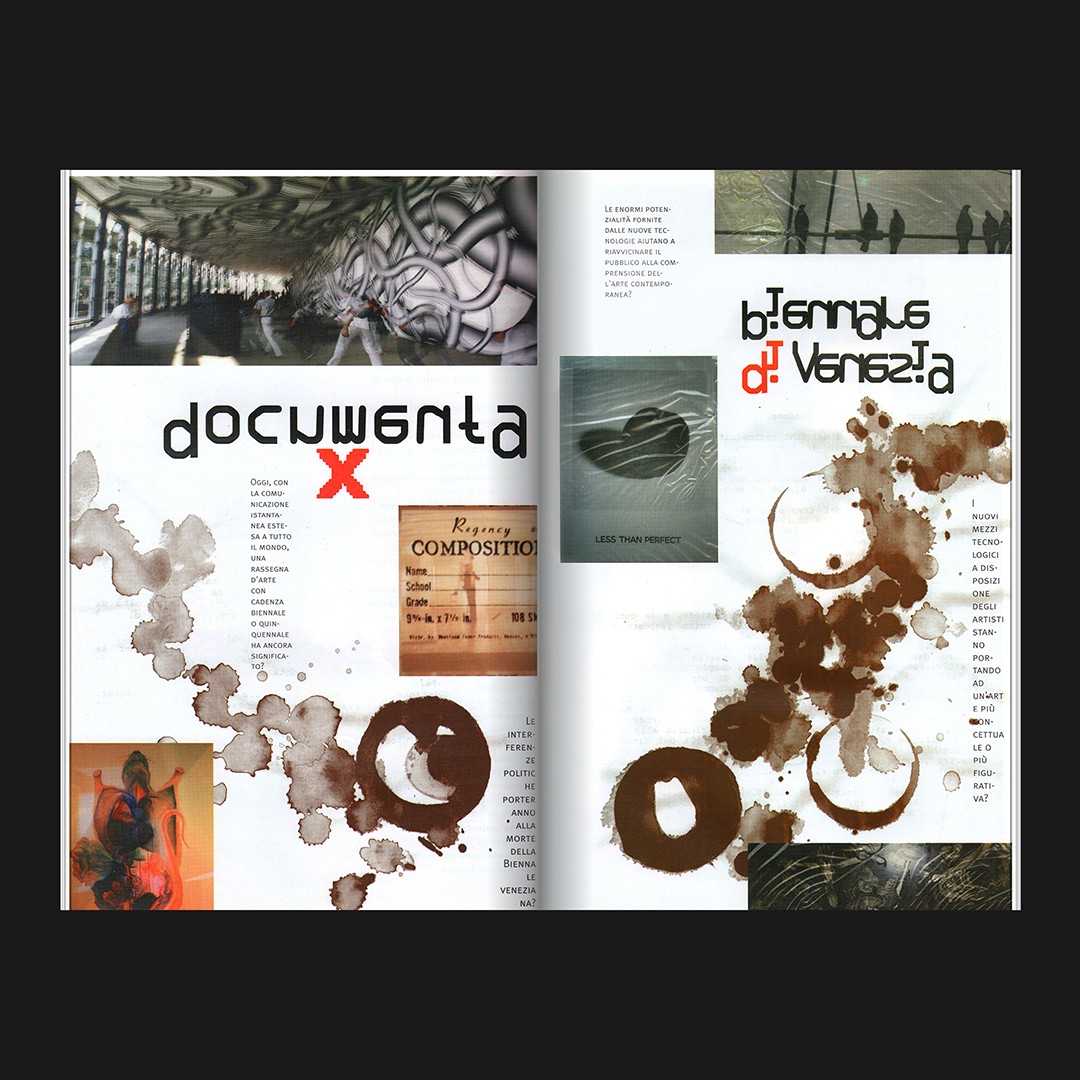
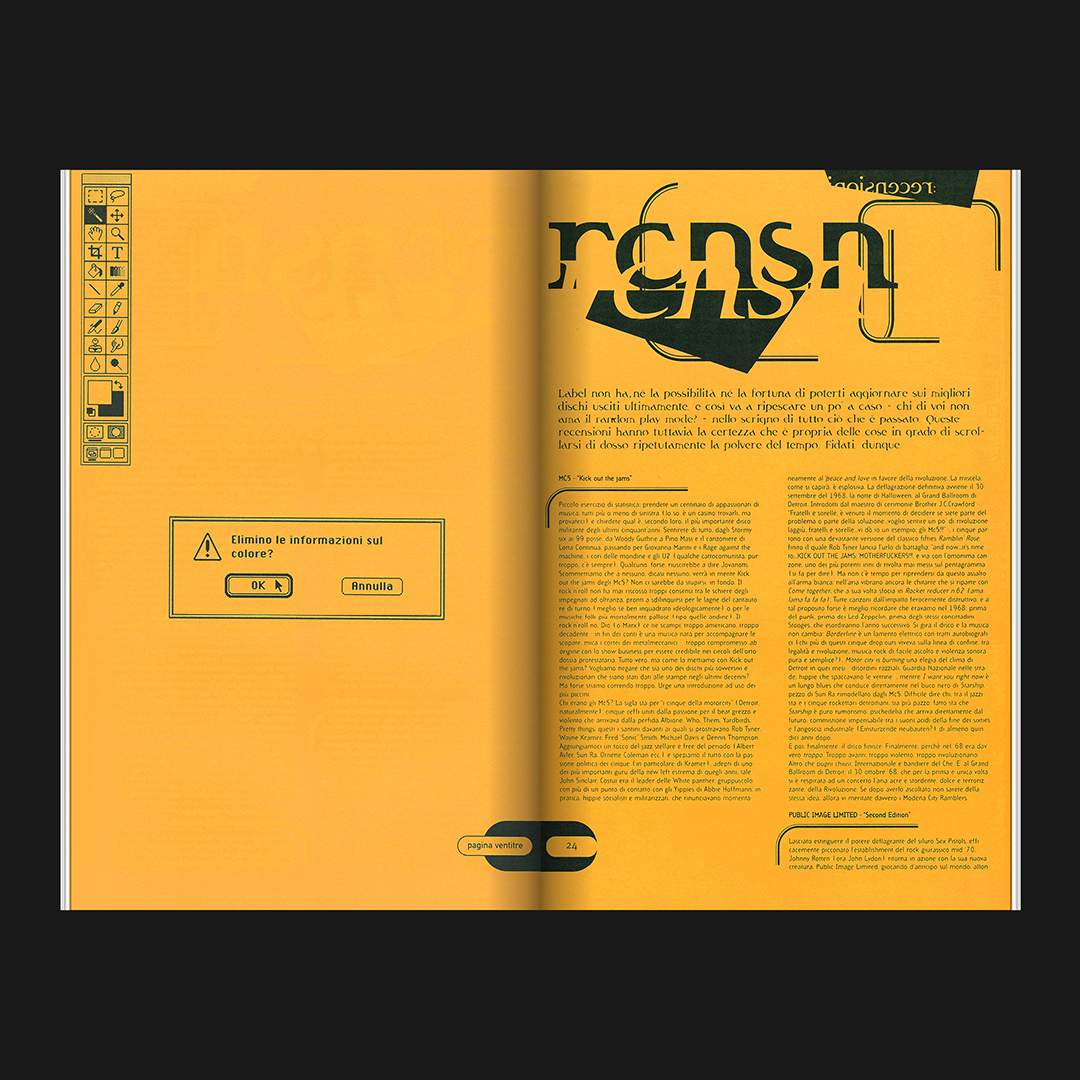
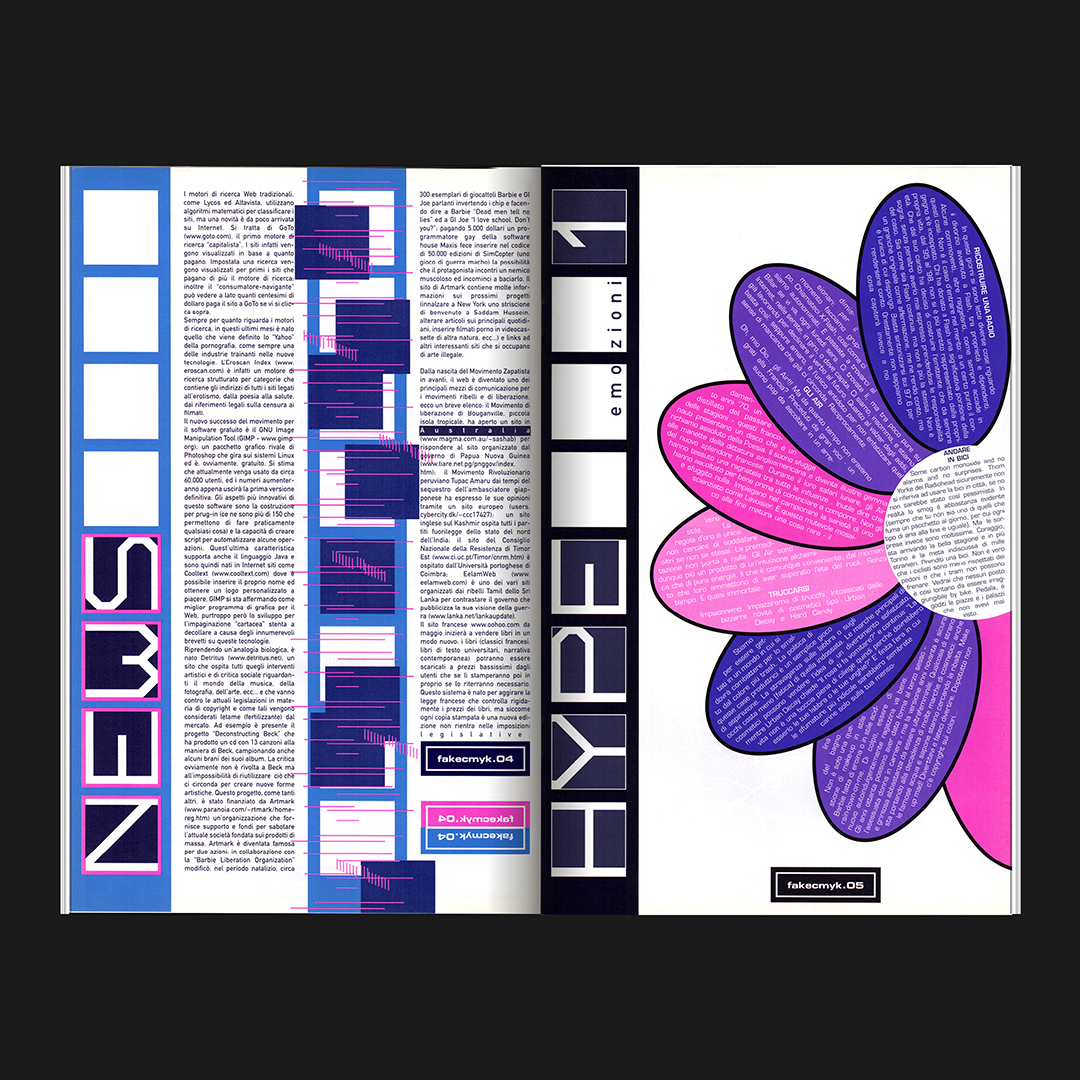
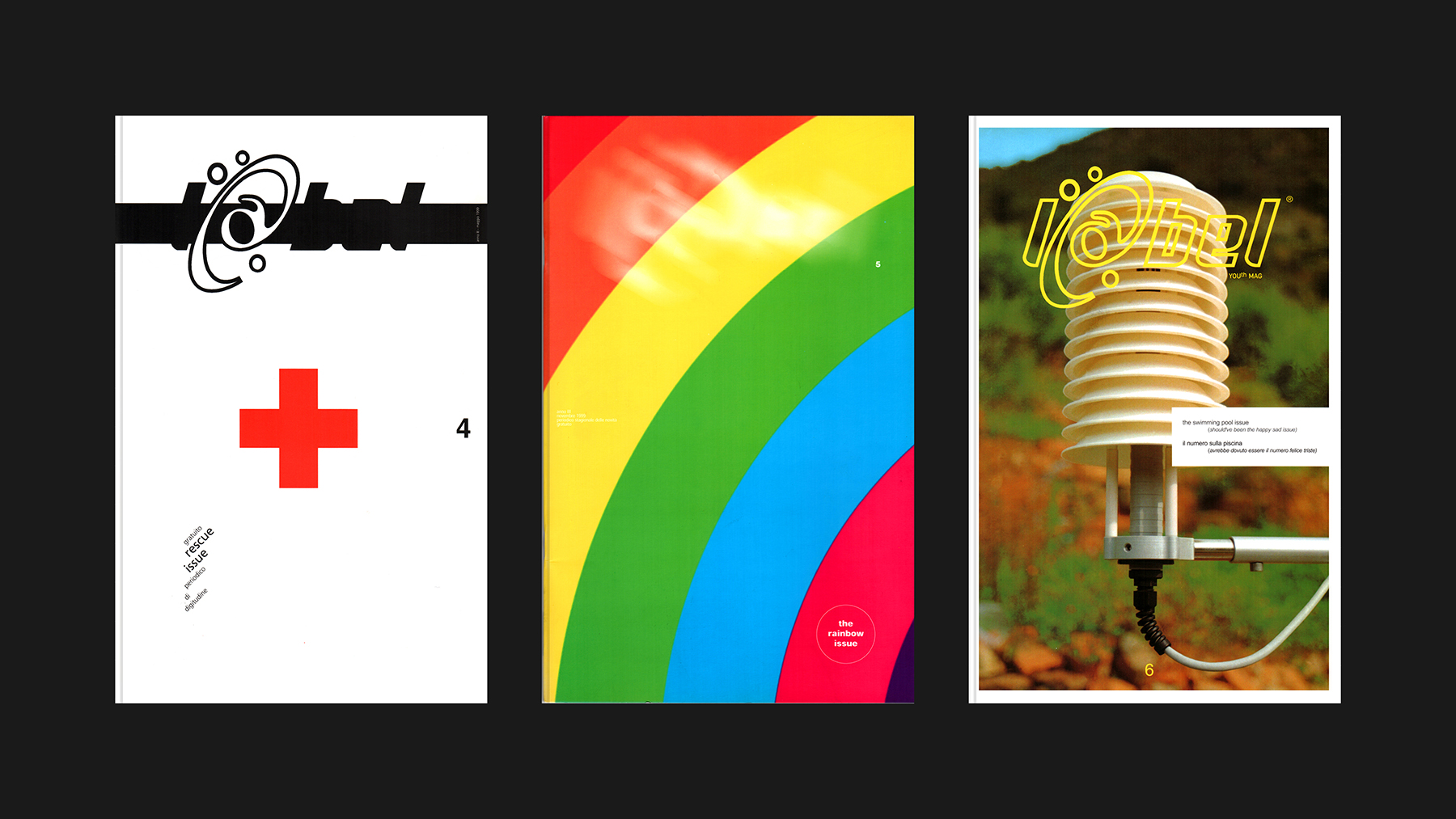
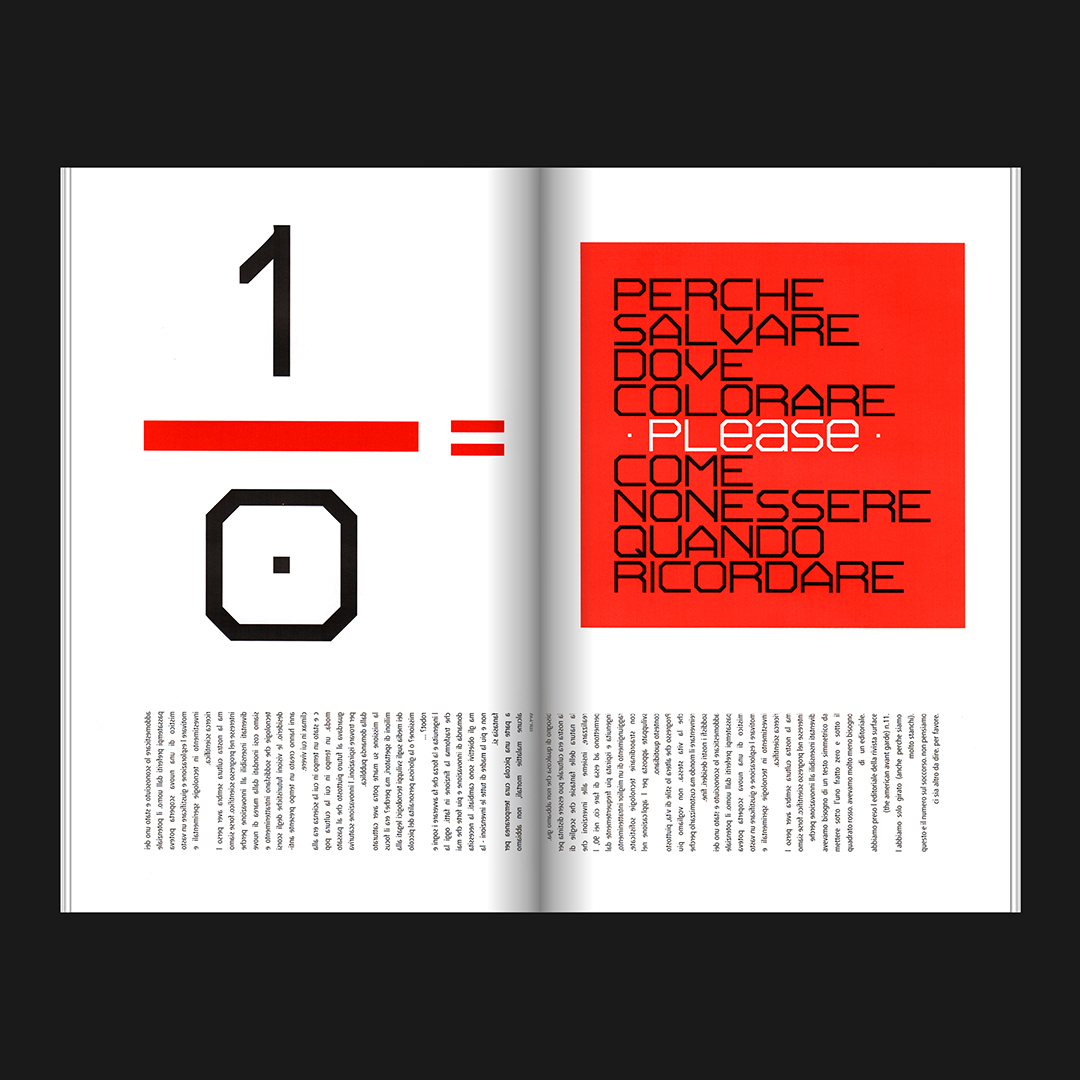
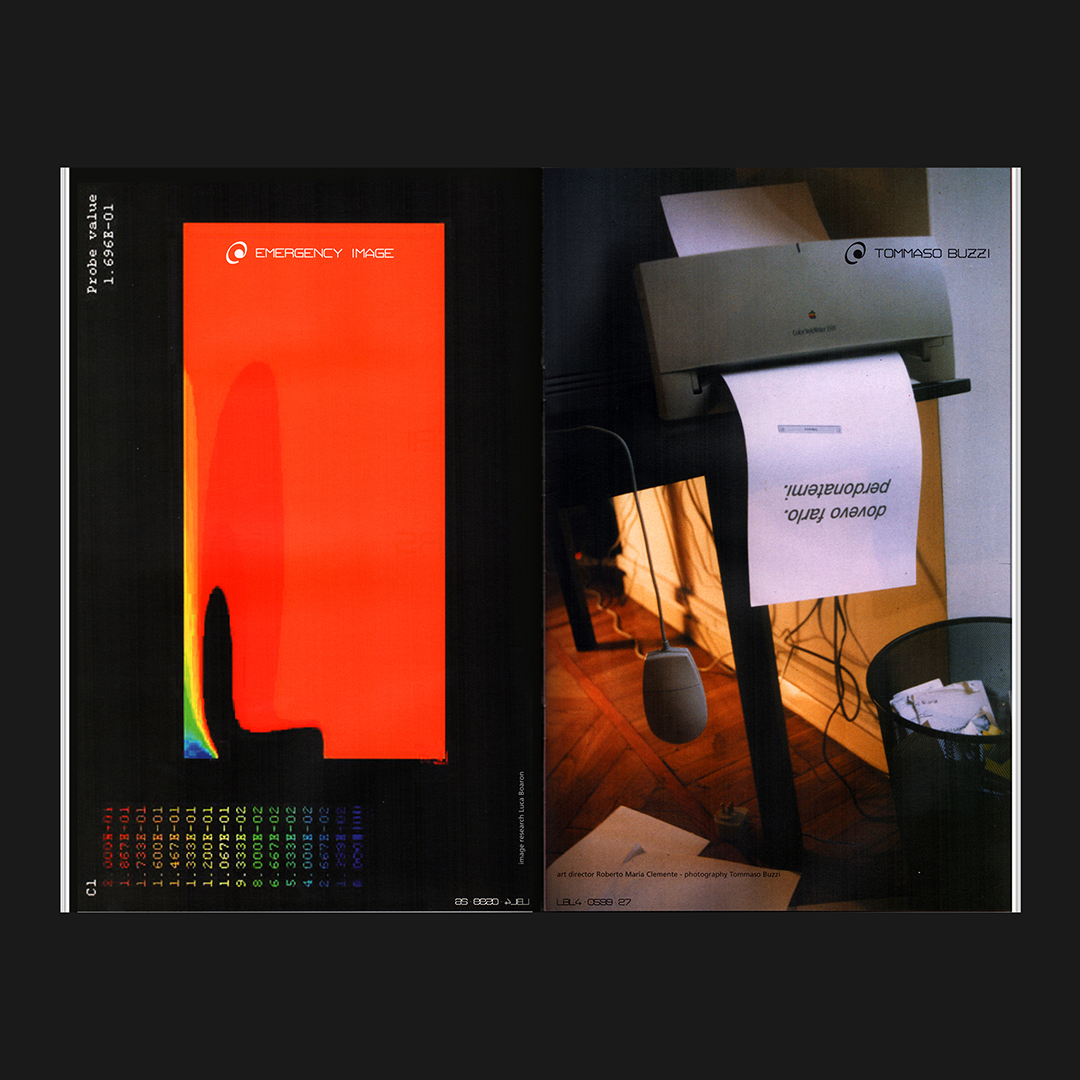
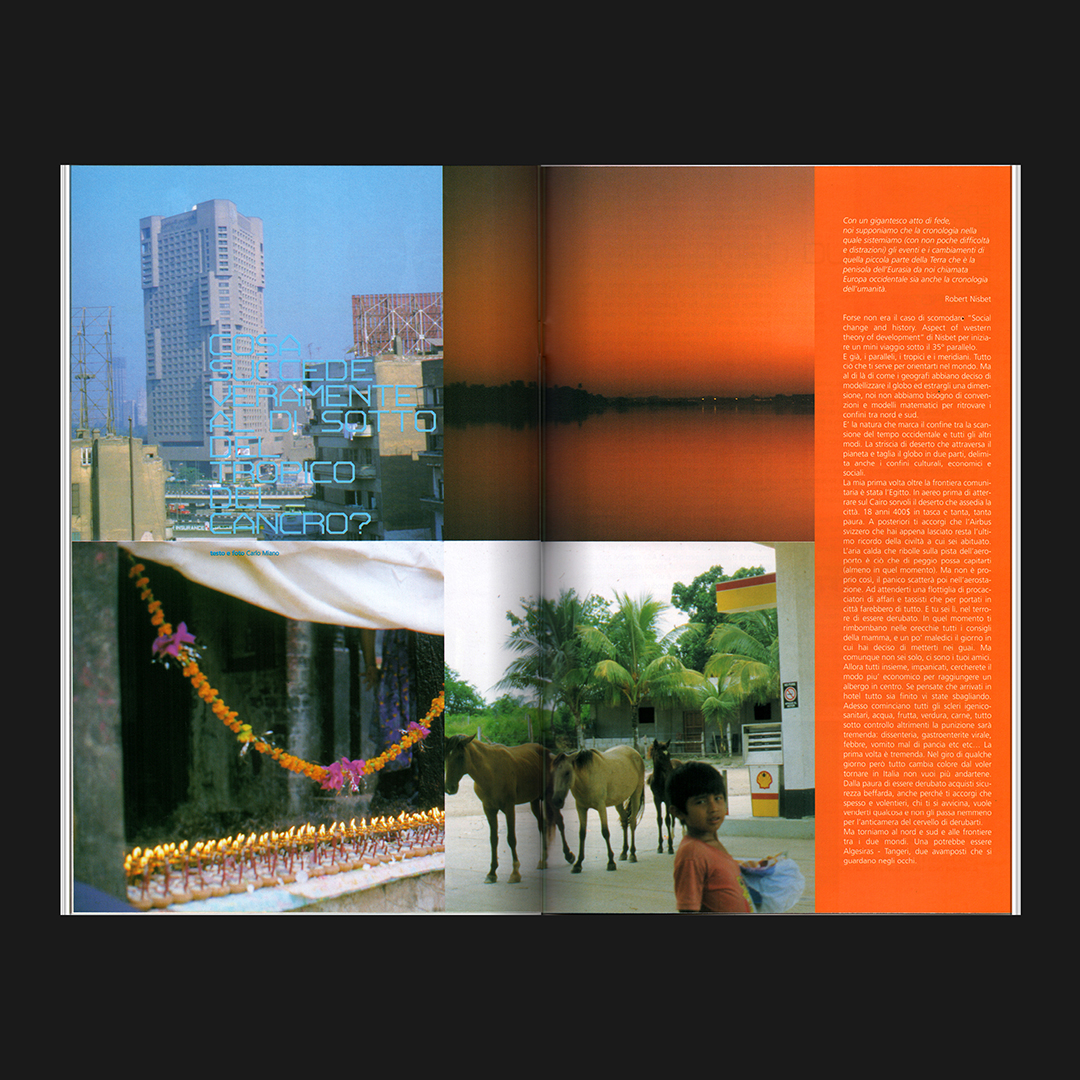
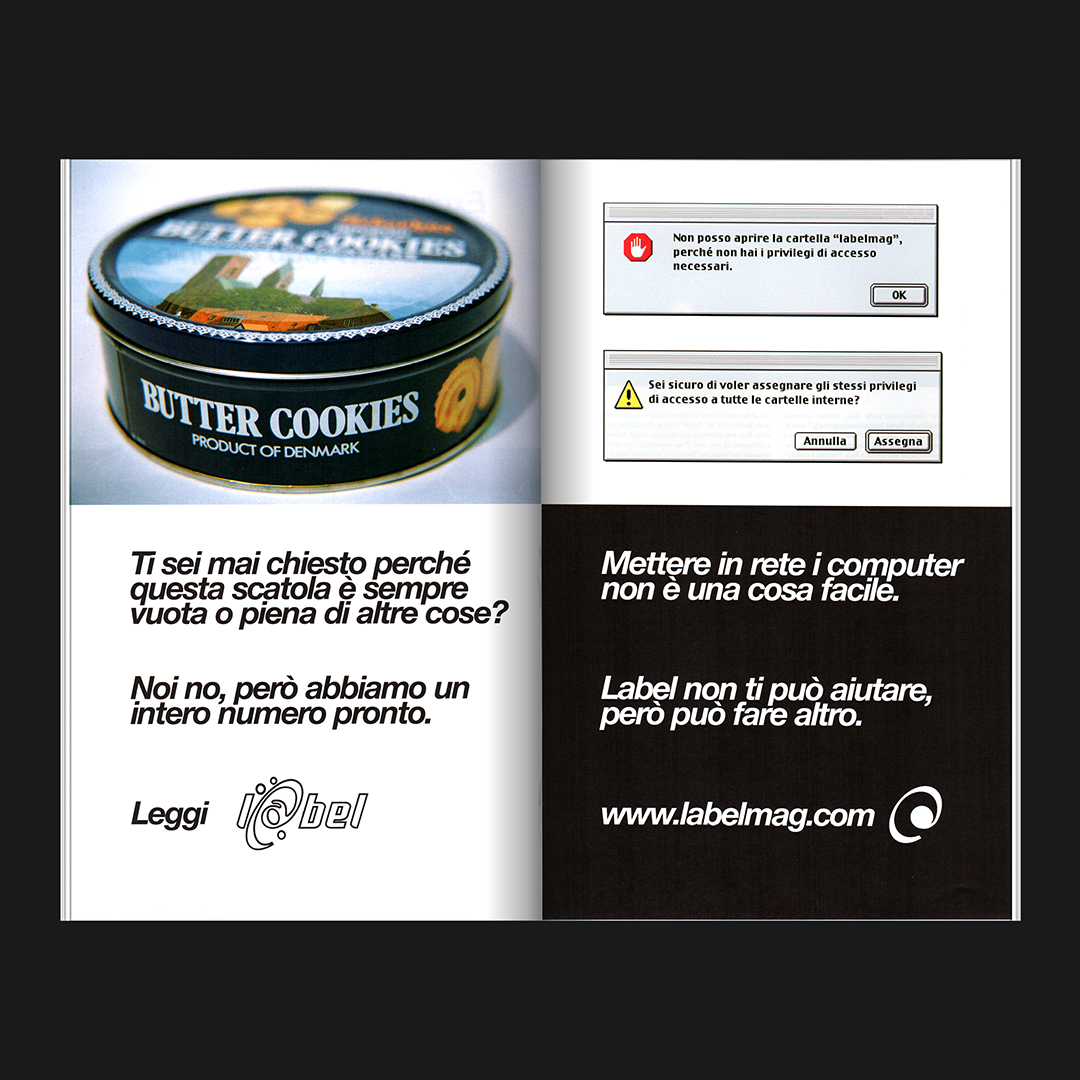
From 2000 onward, Label took on a new dimension: its format grew, but even more so did its ambitions, in an editorial landscape animated at the time by titles like The Face, Raygun, The Wire, i-D, and many others. Always independent, Label became Italy’s first true style magazine — a trendsetting periodical constantly seeking to anticipate shifts in the creative industries and society at large. The magazine began to reach international audiences, eventually distributing to more than twenty countries. Lonely Planet described it as “the Italian version of Wallpaper,” the most authoritative monthly on architecture and design.
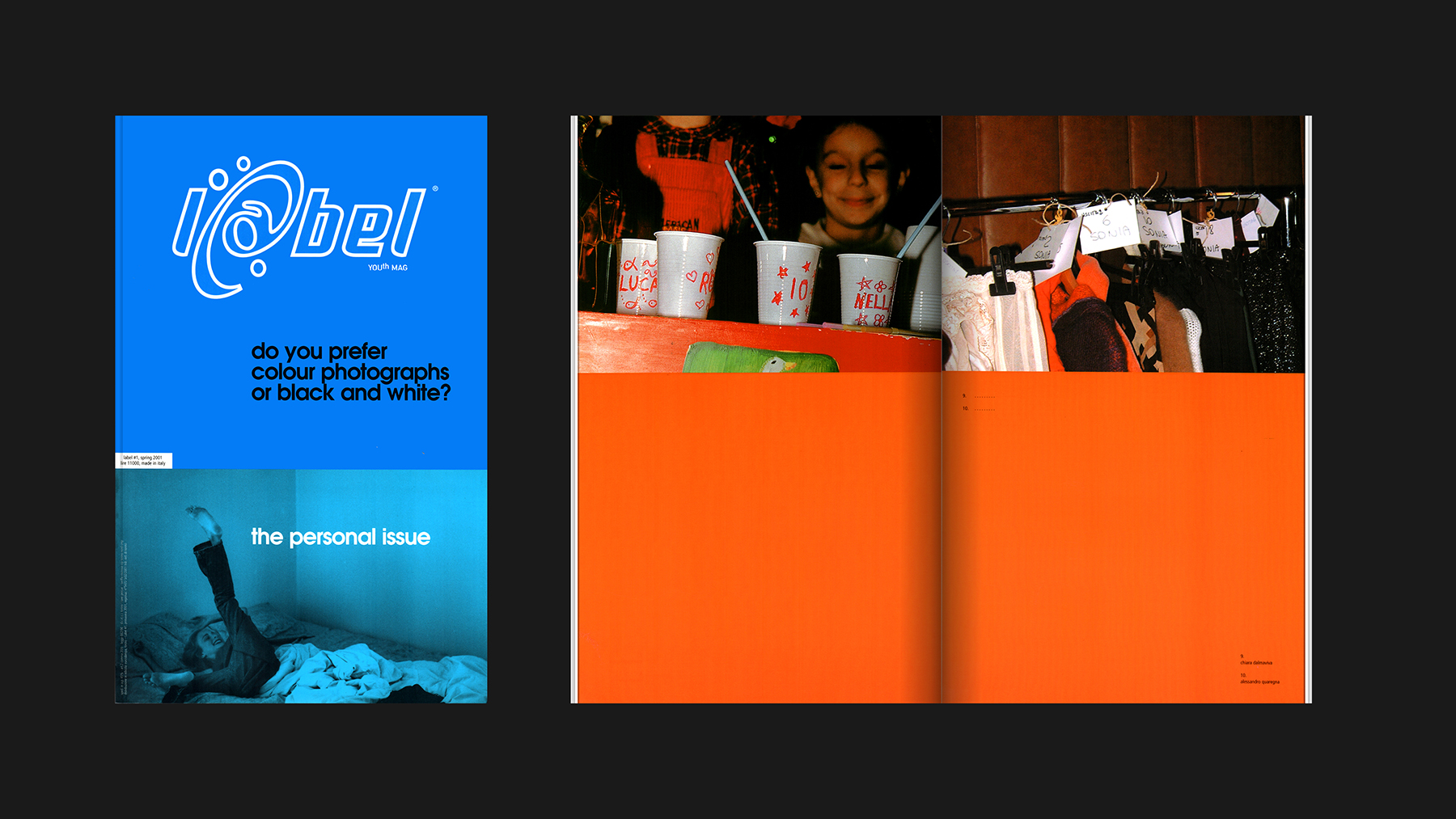
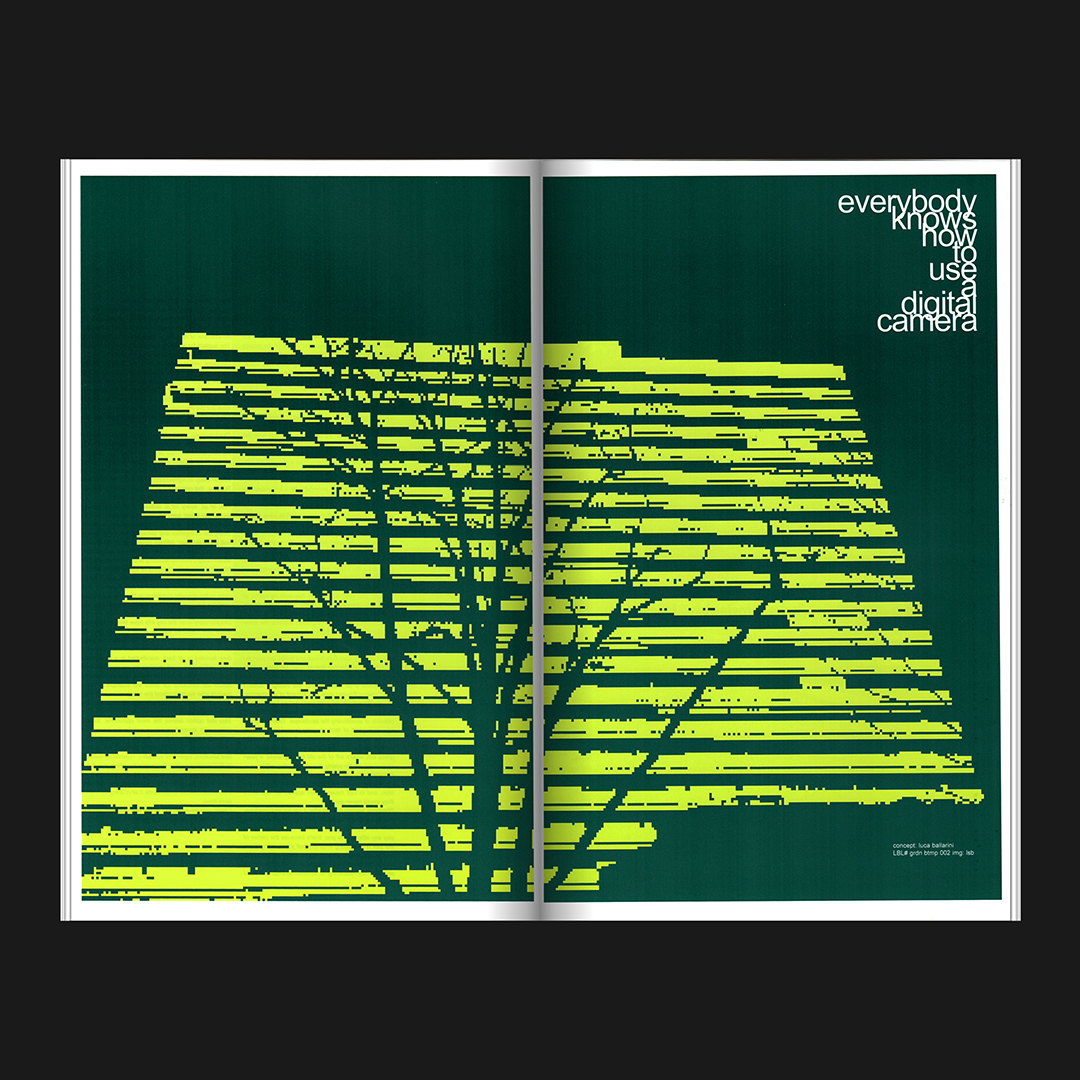
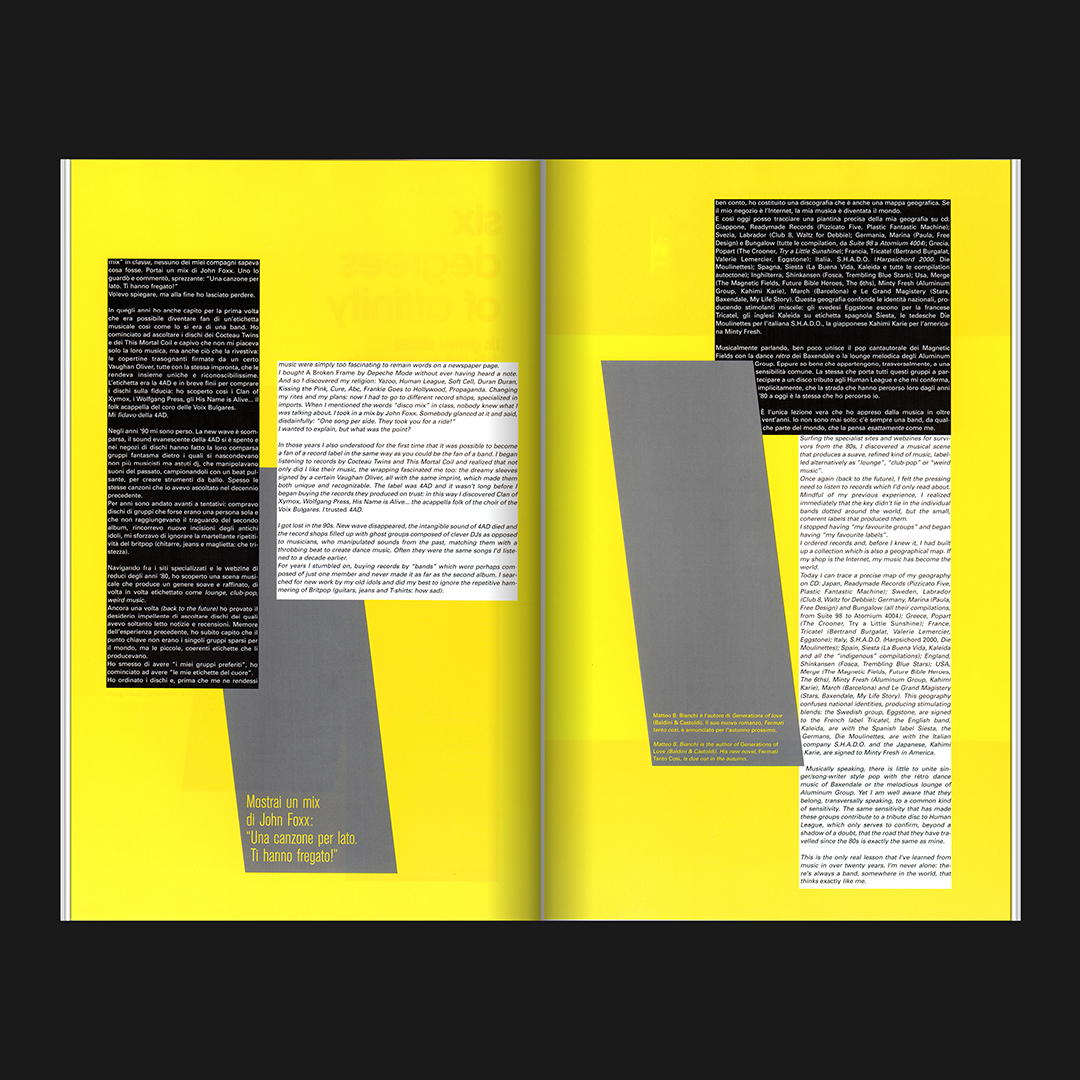
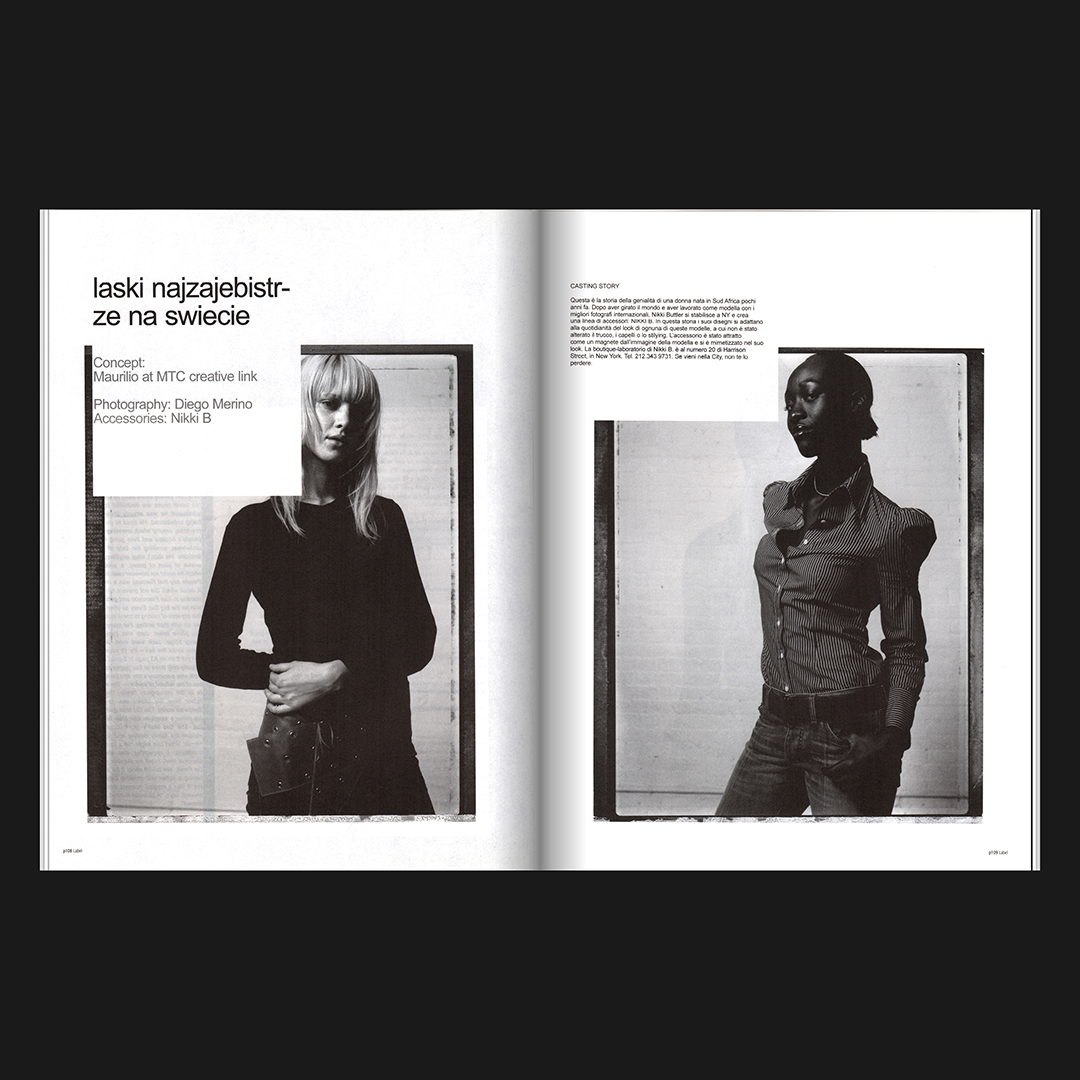
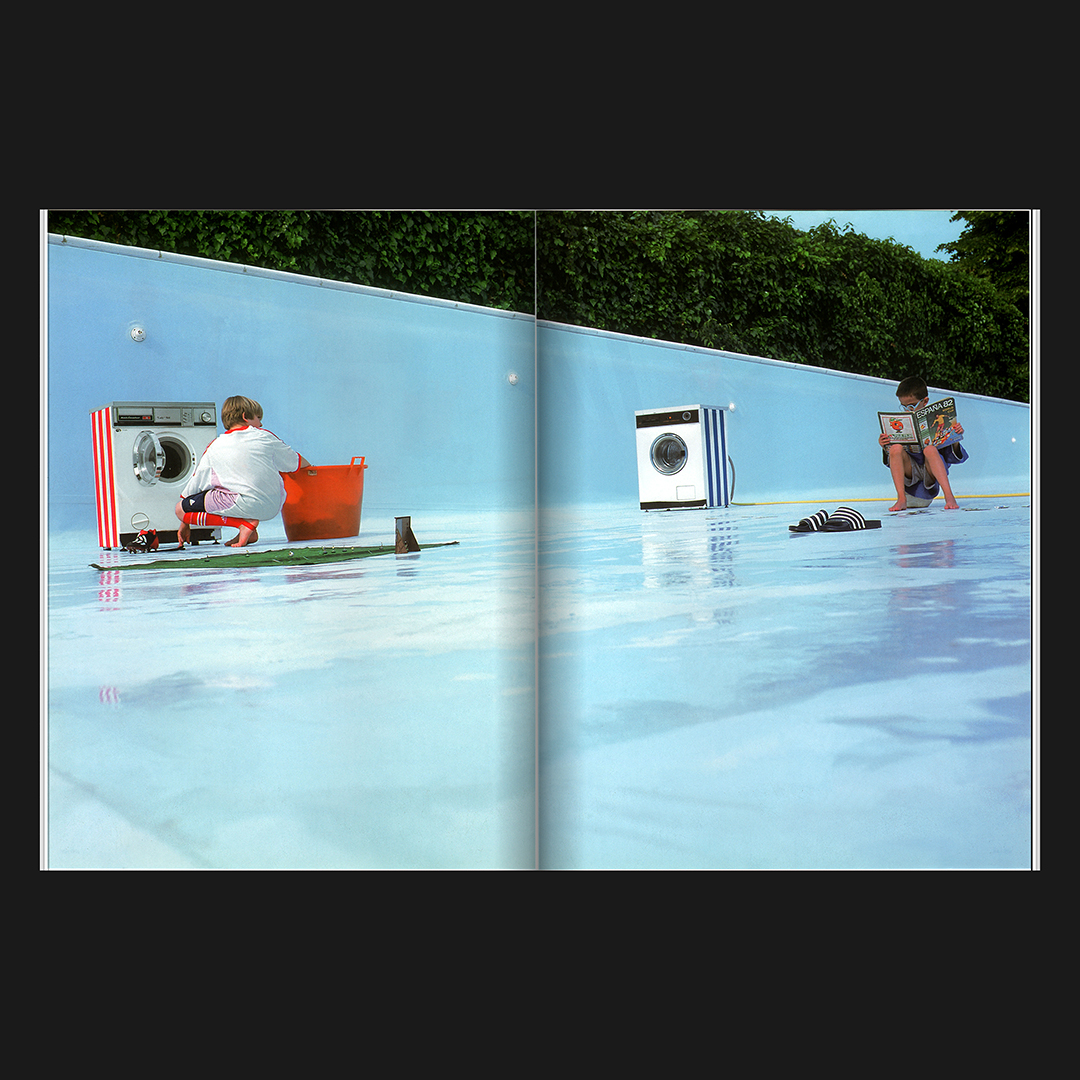
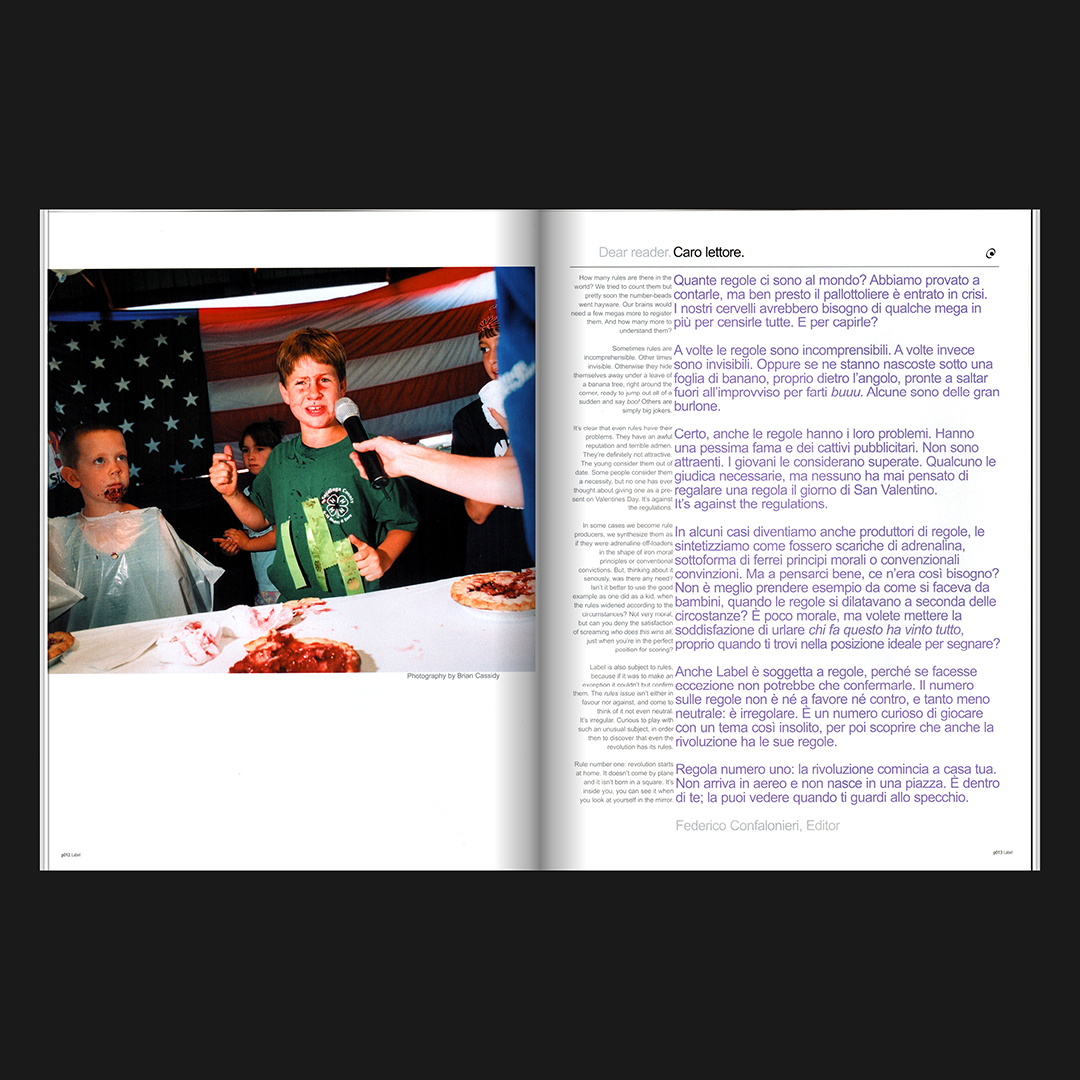
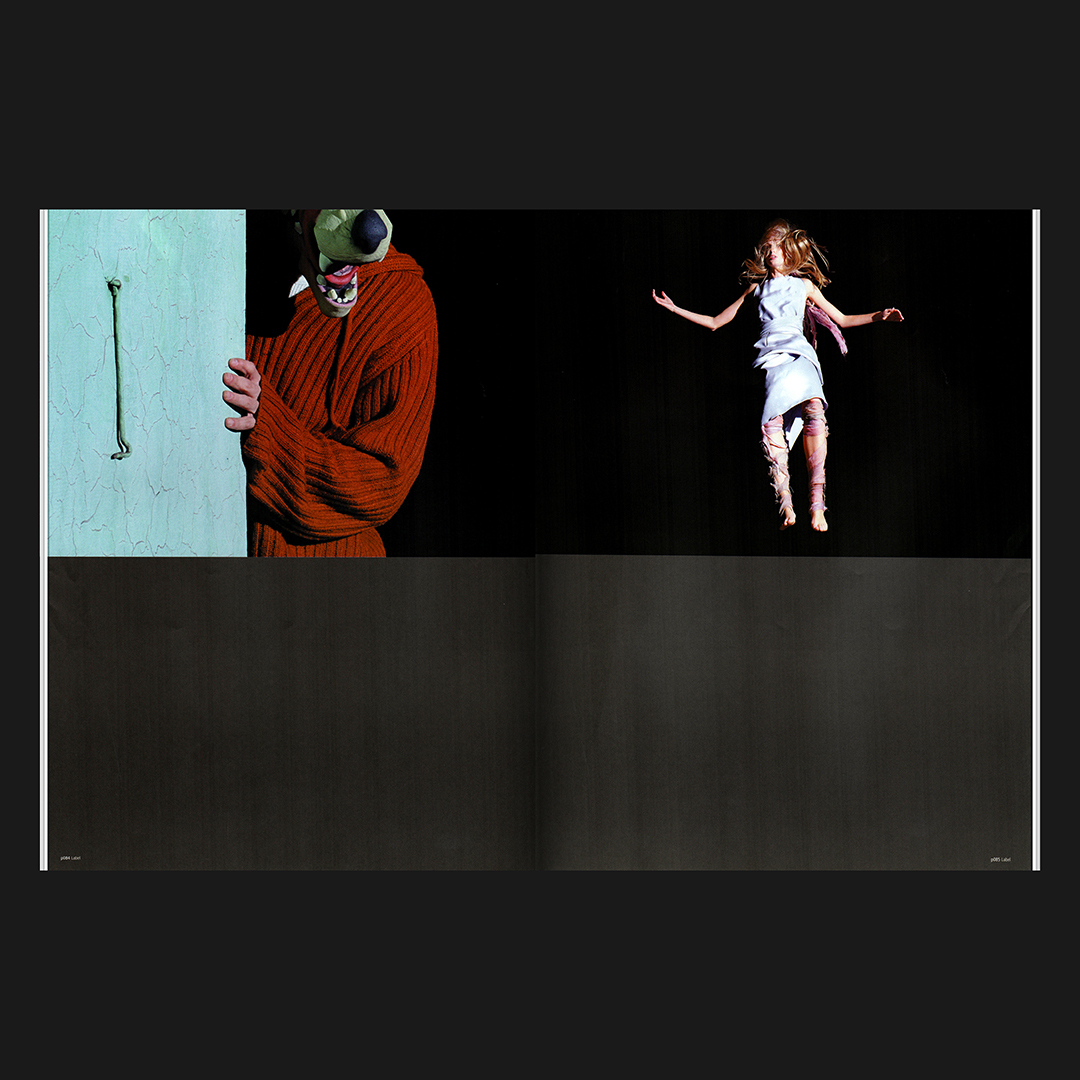
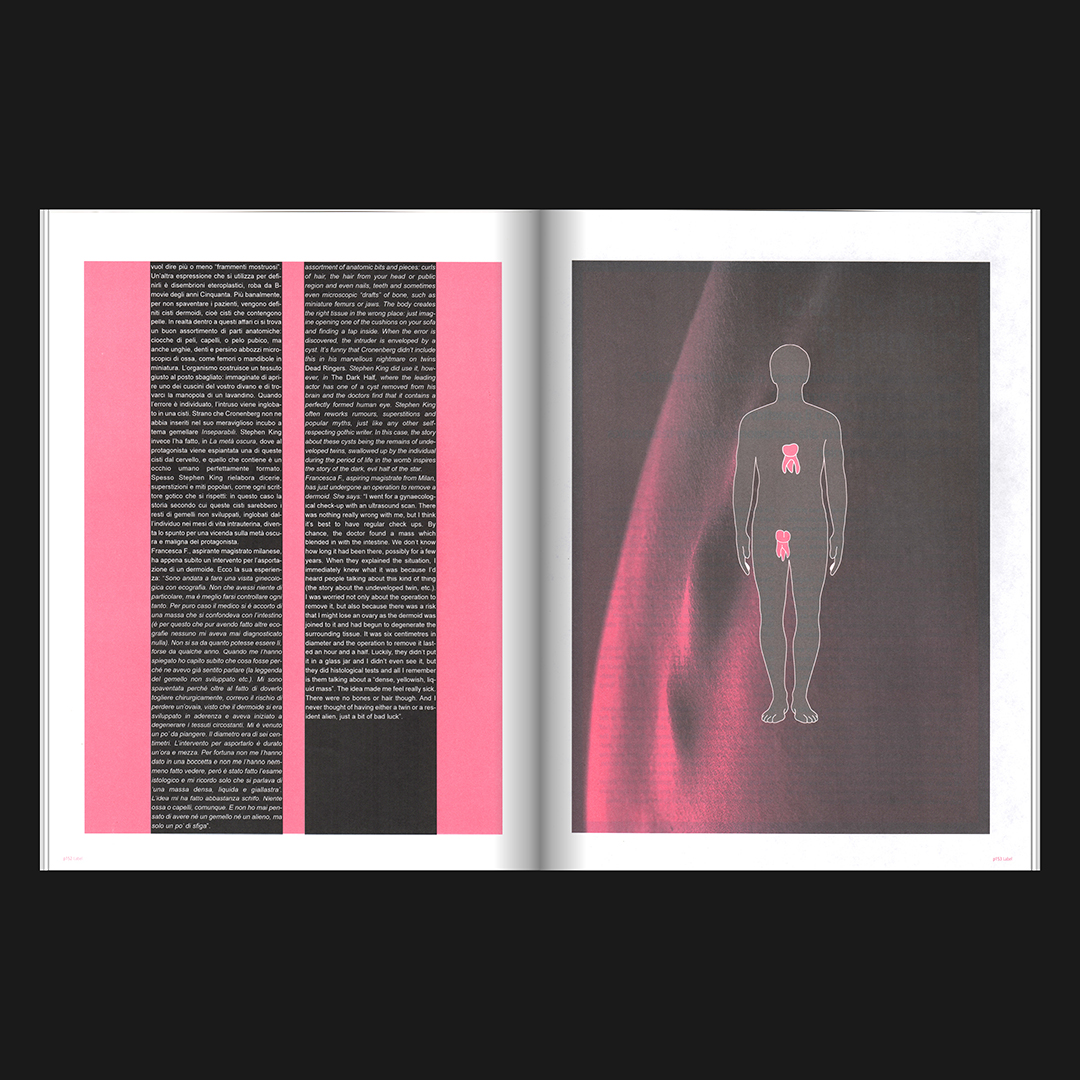
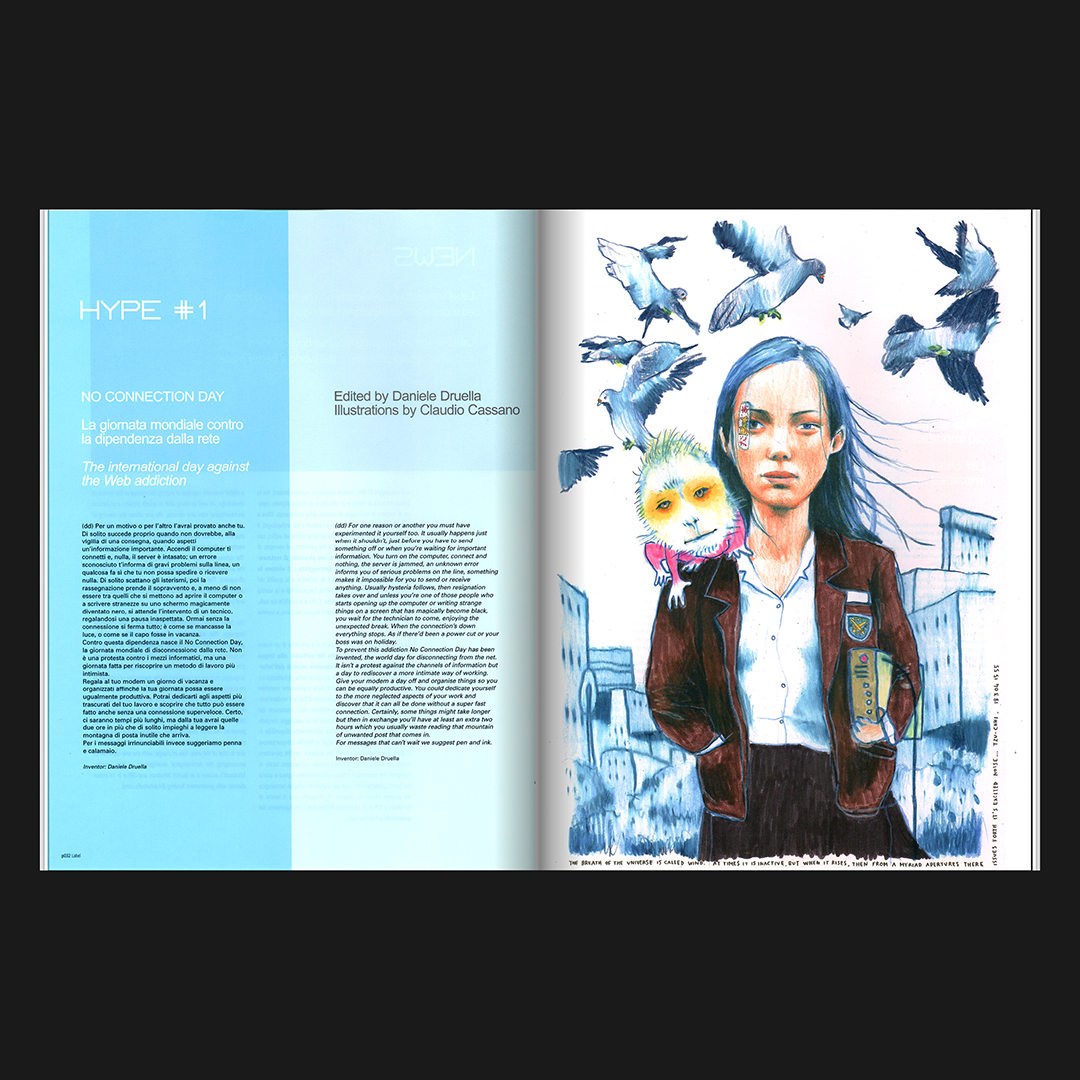
The fast-paced rhythm of producing content under tight print deadlines provided constant training for the studio — an imprint that still shapes the team’s editorial sensibility, alongside a range of other skills. Working closely with the editorial staff also positioned Bellissimo at the center of a network of photographers, writers, and creative talents in Italy and beyond, who became collaborators on studio projects and remain a key part of Bellissimo’s professional network even after the magazine’s run ended.
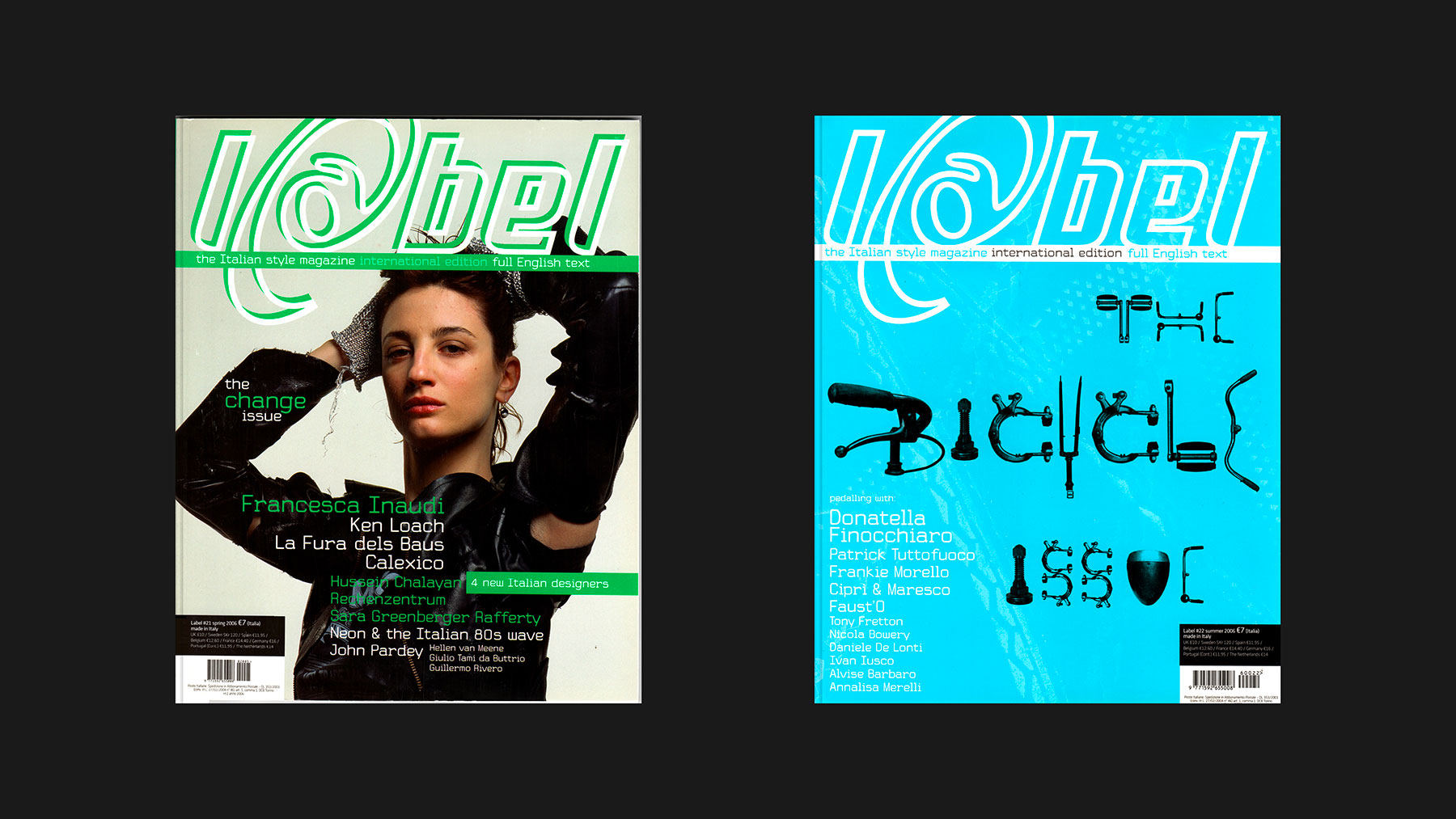
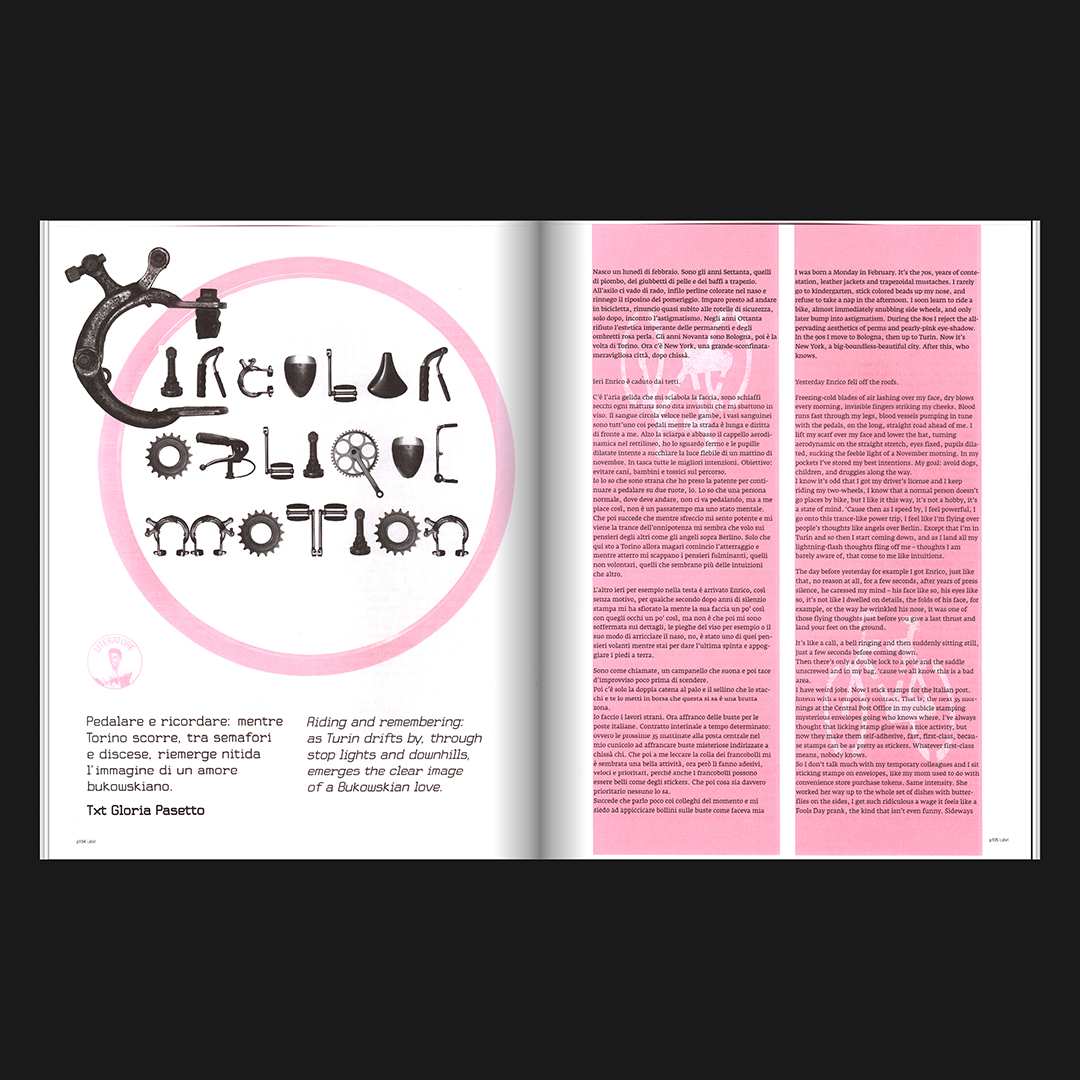
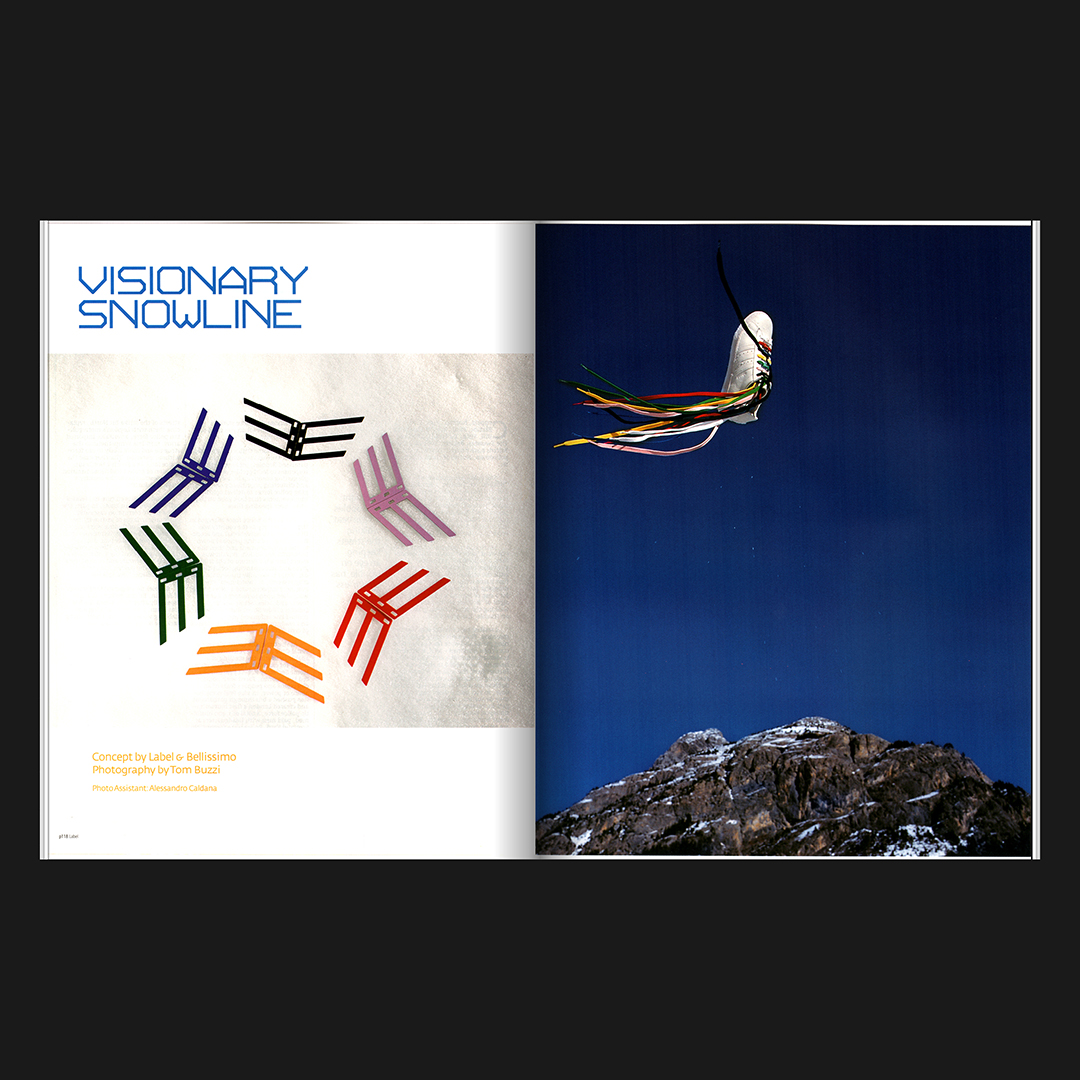
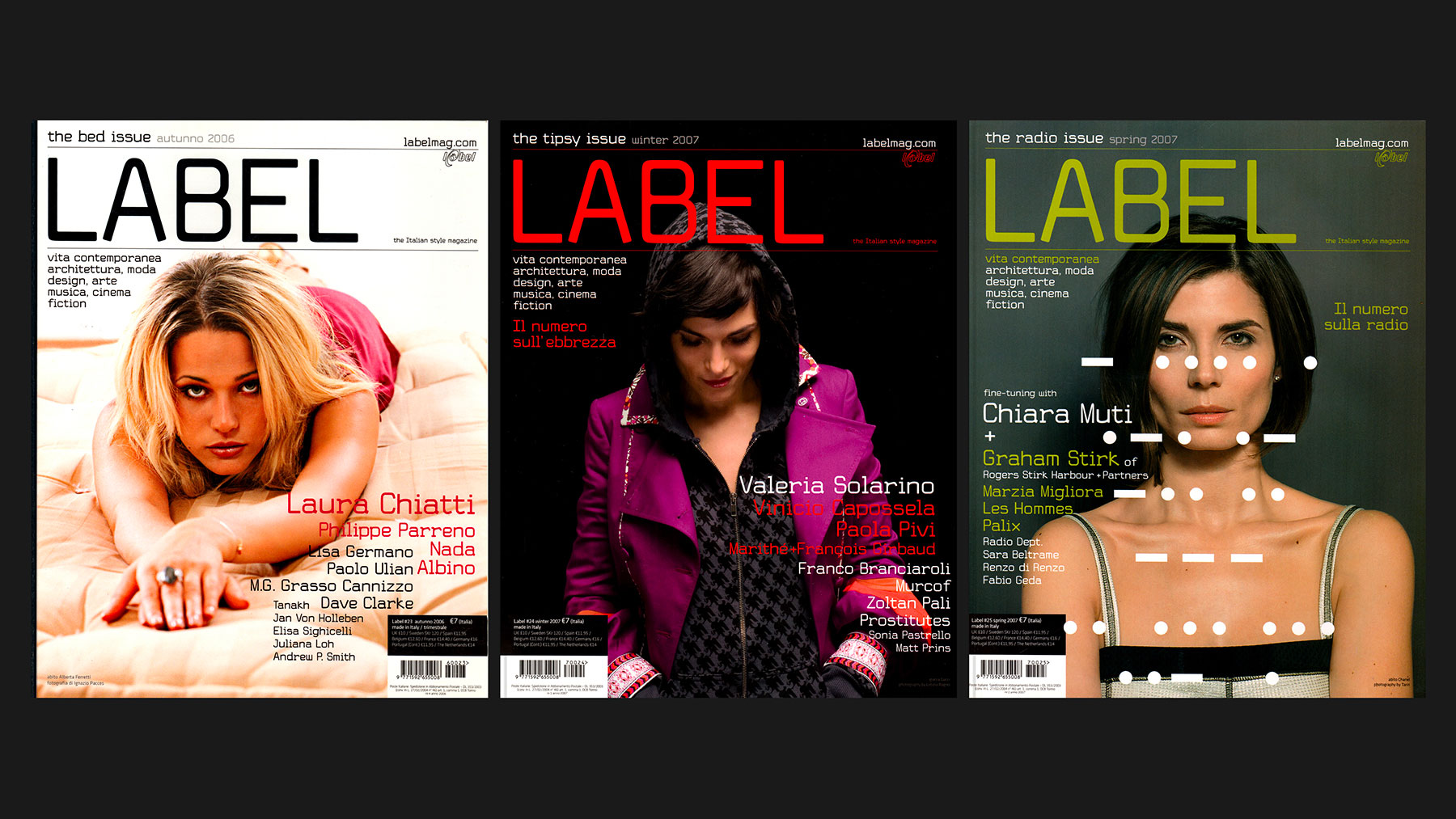
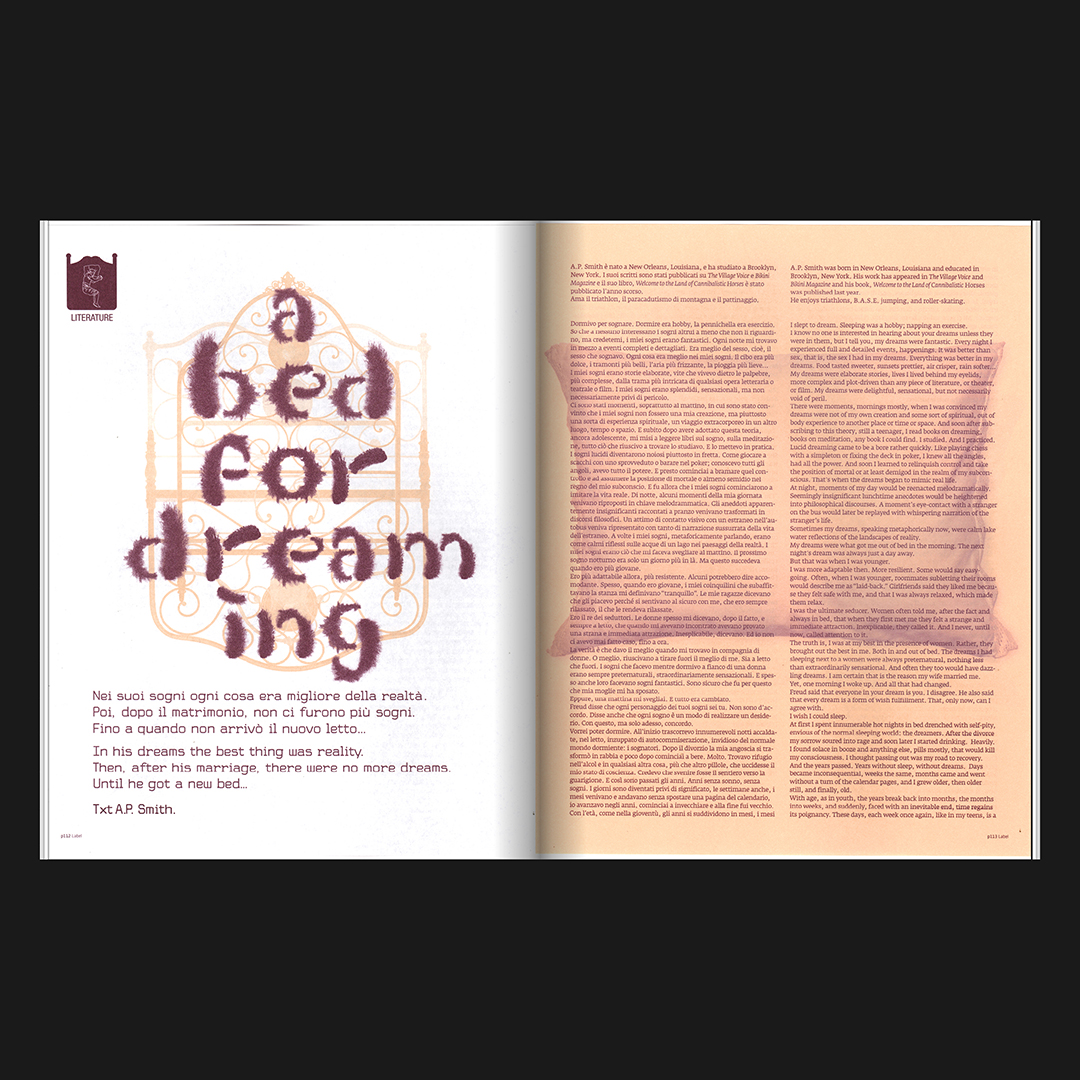
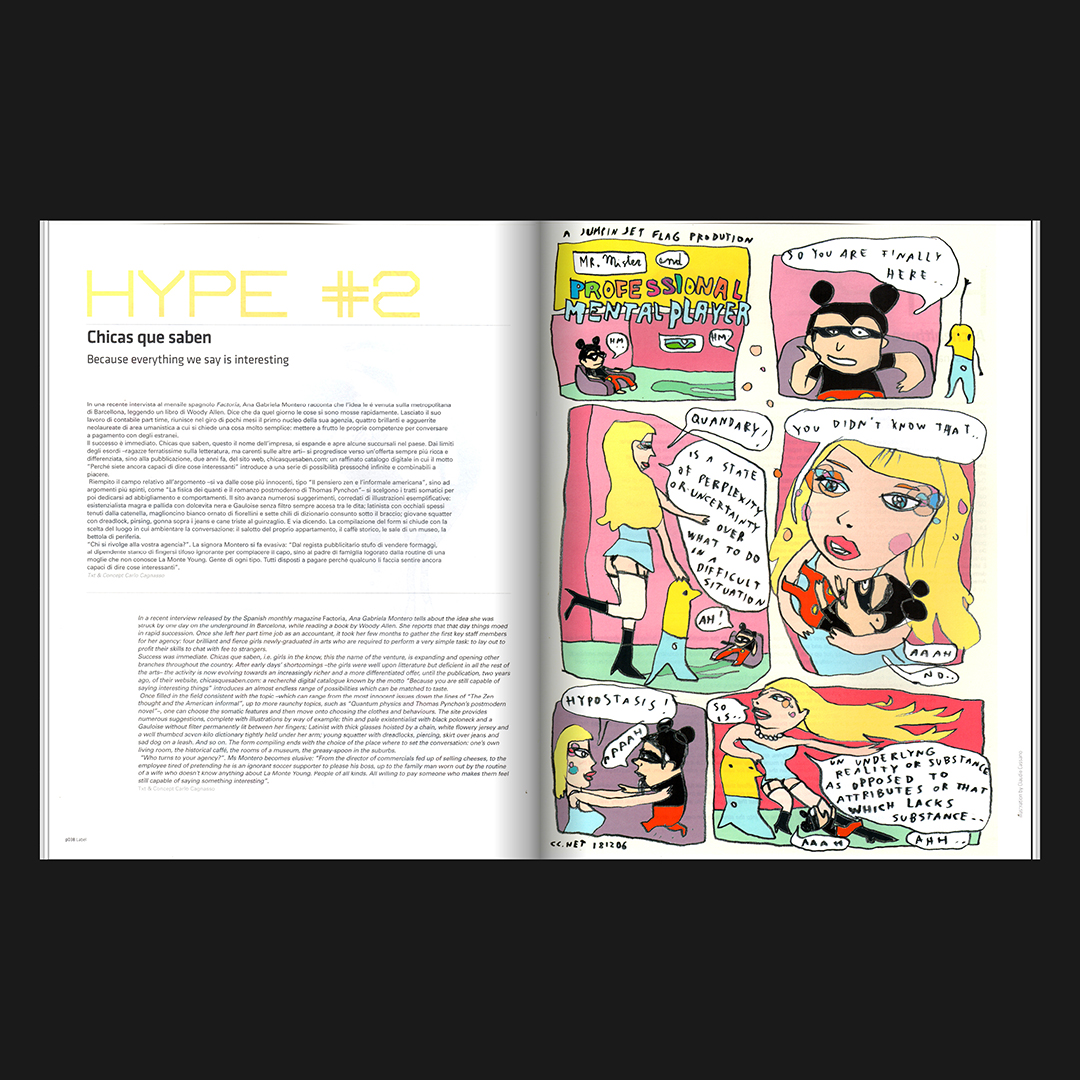
Anyone who’s ever run a magazine knows: it’s a project unlike any other. It’s like a first love, or a steadfast imaginary friend. It gives a lot — and demands even more.
from A Book About Bellissimo, 2009
YOU MAY ALSO LIKE
-
Packaging and solidarity. A special edition of Lavazza ¡Tierra! at Esselunga in support of Ecuador. Visuals by Bellissimo
Shoppers visiting Esselunga supermarkets these days will find a special edition of Lavazza ¡Tierra! on the shelves, the organic coffee range that has long reflected the company’s commitment to (...)
Read -
AlpTextyles, the EU Cohesion Policy project, is shortlisted for the 2026 REGIOSTARS Awards, promoted by the European Commission
Beautiful news for AlpTextyles – Intertwining Cultures. The Interreg Alpine Space project, for which we served as communication partner from 2023 to 2025, has been selected as one of the 25 (...)
Read -
MaaS for Italy: activities and results at a glance. The white paper designed by Bellissimo for the Italian Government
MaaS for Italy is Italy’s first large-scale pilot of the Mobility as a Service model. Funded with €56.9 million, the program involved six major cities and seven territories, encouraging local (...)
Read -
New languages for evolving institutions. A conversation with Massimiliano Cipolletta, President of the Torino Chamber of Commerce
Nearly a year after the rebrand, Bellissimmo’s project for the Torino Chamber of Commerce has been rolled out consistently across the territory — an opportunity now to reflect on the value of (...)
Read